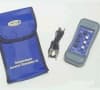
Diagnostic device DTE/SCR-3V
Index: DTE/SCR-3V
Diagnostic device
SCR-3V Simulator for Resistive and Potentiometric Sensors
Purpose:
The SCR-3V simulator is a device for diagnosing the circuit of coolant temperature sensors, oil, air, CO regulators, and other potentiometric sensors. The SCR-3V allows simultaneous simulation and observation of the voltage signal in the sensor circuit using a single device.
The set includes:
- SCR-3V simulator
- 3 connection cables
- 9V power battery
- user manual
In modern engines, the coolant temperature sensor, and in rare cases the oil temperature sensor, plays a very important role. It provides the controller with information, for example, whether the engine has reached its normal operating temperature or is still warming up. The information provided by the coolant (oil) temperature sensor determines how the injection system is controlled. Therefore, it is very important that the temperature sensor circuit (oil) operates correctly. It often happens that mechanics only check the resistance of the sensor itself for the appropriate temperatures. This is an insufficient check because in some cases, despite a functioning temperature sensor, the controller receives a distorted signal. This may result from too high resistance or short circuits in the sensor circuit or even a failure of the controller itself.
A very helpful tool for diagnosing the circuit of coolant, oil, air temperature sensors, as well as CO regulators and potentiometric sensors, is the SCR-3V sensor simulator from DeltaTech Electronics. This new and original solution from the company allows simultaneous simulation and observation of the voltage signal in the sensor circuit with a single device. This is functional and very important because in sensor circuits the most important parameter is the voltage, not just the sensor's resistance. The table shows the most common resistance and voltage dependencies as a function of temperature.
Temperature (degree C) Resistance (Ohm) Voltage (Volt)
0 4600 to 6600 4.00 to 4.50
10 4000 3.75 to 4.00
20 2200 to 2800 3.00 to 3.50
30 1300 3.25
40 1000 to 1200 2.50 to 3.00
50 1000 2.50
60 800 2.00 to 2.50
80 270 to 380 1.00 to 1.30
110 180 to 200 0.50
Circuit break - 5.00
Short to ground - 0
By simulating the temperature, for example, from the lowest to the highest, along with simultaneous measurement of injection times and exhaust gas analysis, we can accurately check the operation of the injection system. We do not have to waste time waiting, for example, for the engine to cool down.
To simulate, for example, a temperature sensor, the following steps should be taken:
- Locate the temperature sensor and disconnect the wires,
- Connect the simulator leads to the wires disconnected from the sensor,
- Set the resistance value on the simulator corresponding to a cold engine (according to factory data),
- Start the engine - it should run at increased speed (as with a cold engine). If the engine is warm, we can change the resistance (voltage) value from that corresponding to a cold engine, e.g., 6000 Ohm (4...4.5V) to a value corresponding to a warmed-up engine, e.g., 300 Ohm (1...1.5V). The engine should respond by increasing speed for the "cold engine" simulation and reducing it to normal idle speed for the "warmed-up engine" simulation.
- Turn off the engine, disconnect the simulator leads, and connect the cables to the temperature sensor.
If the engine does not respond to the temperature simulation as specified by the manufacturer, it means that the temperature sensor circuit is faulty or the controller is damaged. The most common correct reaction to a cold engine simulation is to increase speed and enrich the fuel-air mixture, while simulating normal operating temperature should cause the engine to switch to factory-set idle speed and mixture composition (of course, if the engine actually has operating temperature).
Another undeniable advantage of the SCR-3V simulator is the ability to confirm the malfunction of a given sensor before deciding to replace it.
The SCR-3V simulator, due to its uncomplicated operation and very affordable price, is available even for small car workshops.
DTE Device for diagnosing the circuit of coolant, oil, air temperature sensors, CO regulators, and potentiometric sensors.
Description
SCR-3V Simulator for Resistive and Potentiometric Sensors
Purpose:
The SCR-3V simulator is a device for diagnosing the circuit of coolant temperature sensors, oil, air, CO regulators, and other potentiometric sensors. The SCR-3V allows simultaneous simulation and observation of the voltage signal in the sensor circuit using a single device.
The set includes:
- SCR-3V simulator
- 3 connection cables
- 9V power battery
- user manual
In modern engines, the coolant temperature sensor, and in rare cases the oil temperature sensor, plays a very important role. It provides the controller with information, for example, whether the engine has reached its normal operating temperature or is still warming up. The information provided by the coolant (oil) temperature sensor determines how the injection system is controlled. Therefore, it is very important that the temperature sensor circuit (oil) operates correctly. It often happens that mechanics only check the resistance of the sensor itself for the appropriate temperatures. This is an insufficient check because in some cases, despite a functioning temperature sensor, the controller receives a distorted signal. This may result from too high resistance or short circuits in the sensor circuit or even a failure of the controller itself.
A very helpful tool for diagnosing the circuit of coolant, oil, air temperature sensors, as well as CO regulators and potentiometric sensors, is the SCR-3V sensor simulator from DeltaTech Electronics. This new and original solution from the company allows simultaneous simulation and observation of the voltage signal in the sensor circuit with a single device. This is functional and very important because in sensor circuits the most important parameter is the voltage, not just the sensor's resistance. The table shows the most common resistance and voltage dependencies as a function of temperature.
Temperature (degree C) Resistance (Ohm) Voltage (Volt)
0 4600 to 6600 4.00 to 4.50
10 4000 3.75 to 4.00
20 2200 to 2800 3.00 to 3.50
30 1300 3.25
40 1000 to 1200 2.50 to 3.00
50 1000 2.50
60 800 2.00 to 2.50
80 270 to 380 1.00 to 1.30
110 180 to 200 0.50
Circuit break - 5.00
Short to ground - 0
By simulating the temperature, for example, from the lowest to the highest, along with simultaneous measurement of injection times and exhaust gas analysis, we can accurately check the operation of the injection system. We do not have to waste time waiting, for example, for the engine to cool down.
To simulate, for example, a temperature sensor, the following steps should be taken:
- Locate the temperature sensor and disconnect the wires,
- Connect the simulator leads to the wires disconnected from the sensor,
- Set the resistance value on the simulator corresponding to a cold engine (according to factory data),
- Start the engine - it should run at increased speed (as with a cold engine). If the engine is warm, we can change the resistance (voltage) value from that corresponding to a cold engine, e.g., 6000 Ohm (4...4.5V) to a value corresponding to a warmed-up engine, e.g., 300 Ohm (1...1.5V). The engine should respond by increasing speed for the "cold engine" simulation and reducing it to normal idle speed for the "warmed-up engine" simulation.
- Turn off the engine, disconnect the simulator leads, and connect the cables to the temperature sensor.
If the engine does not respond to the temperature simulation as specified by the manufacturer, it means that the temperature sensor circuit is faulty or the controller is damaged. The most common correct reaction to a cold engine simulation is to increase speed and enrich the fuel-air mixture, while simulating normal operating temperature should cause the engine to switch to factory-set idle speed and mixture composition (of course, if the engine actually has operating temperature).
Another undeniable advantage of the SCR-3V simulator is the ability to confirm the malfunction of a given sensor before deciding to replace it.
The SCR-3V simulator, due to its uncomplicated operation and very affordable price, is available even for small car workshops.
DTE Device for diagnosing the circuit of coolant, oil, air temperature sensors, CO regulators, and potentiometric sensors.
Technical specification
Name
Diagnostic device